
Housing
Cost of living in Madrid for newcomers
A 2026-oriented Madrid budget guide: rent, utilities, groceries, transport, healthcare and three sample monthly budgets — with honest ranges and official fare links.

Madrid in 2026 is rarely “cheap Europe,” but it is still more manageable than London, Paris or Amsterdam for many internationals — if rent is under control. Housing is the swing factor. Everything else is usually predictable once you know your neighborhood and commuting pattern.
This page gives orientation budgets for newcomers, not a personal financial plan. Prices move by district, lifestyle and season. Treat euro figures as planning bands, then verify live rents and current CRTM fares before you commit.
The honest headline numbers
For a single person in 2026, these are common planning bands:
- **Shared room lifestyle:** roughly €1,100–€1,700 / month all-in
- **Own one-bed, central/comfortable:** roughly €1,900–€2,700 / month all-in
- **Couple sharing one flat:** often less per person than two solo one-beds, but watch utility spikes in summer/winter
Rent usually decides which band you land in. A €400 rent difference beats most grocery or gym optimizations.
Rent: where the money actually goes
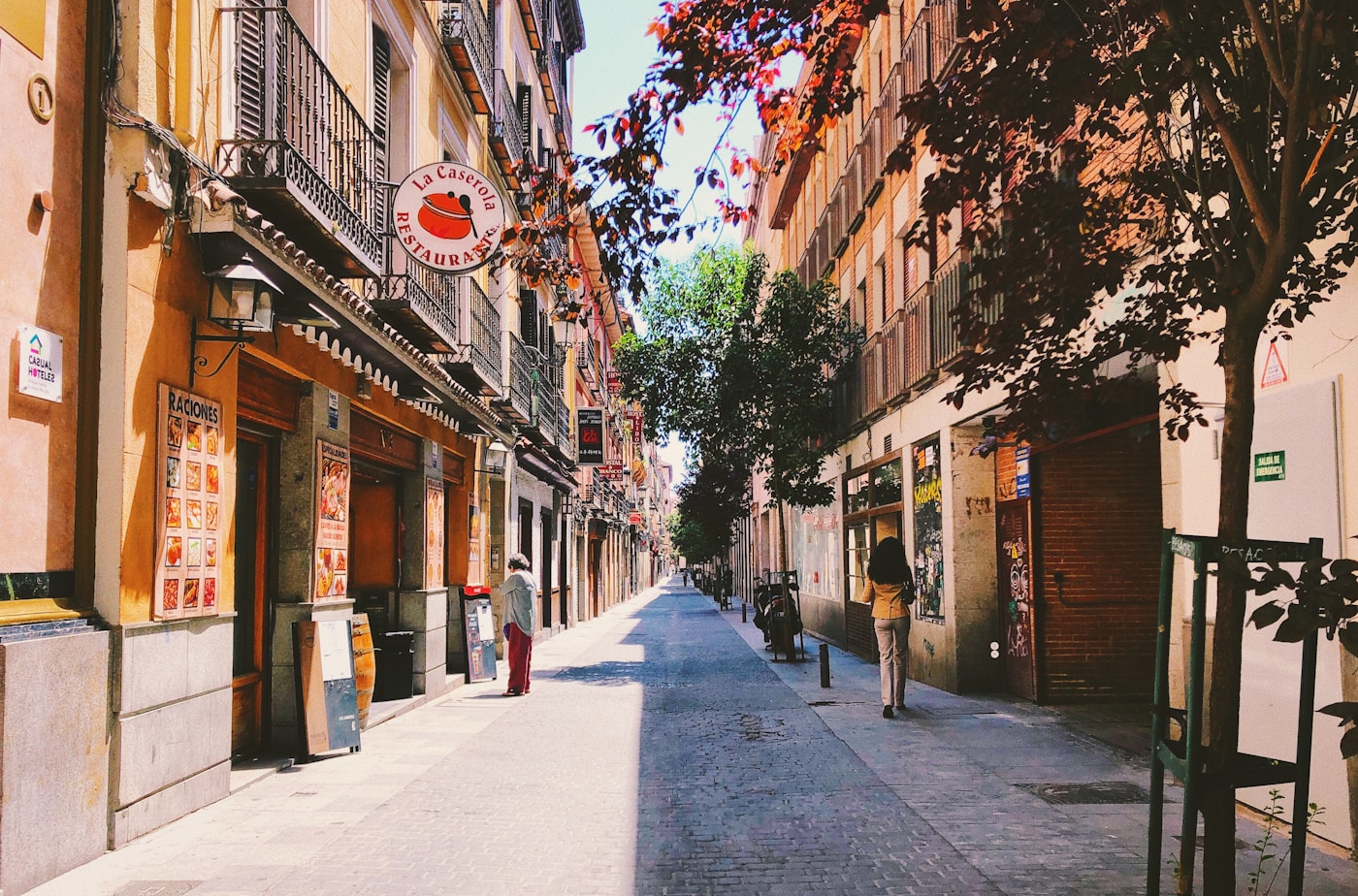
Central and near-central asking rents remain the pressure point. Orientation only:
- Room in a shared flat: commonly roughly €500–€800+ depending on district and quality
- Studio / small one-bed outside the hottest streets: often roughly €850–€1,200+
- Central one-bed (Chamberí / Retiro / Malasaña edges / Salamanca-adjacent): commonly roughly €1,000–€1,500+, with premium streets higher
Also budget for move-in cash: legal *fianza* (one month on a housing lease) plus possible extra guarantee and first month. Details: How to rent an apartment in Madrid
Neighborhood trade-offs: Best first neighborhoods for newcomers
Official housing orientation: comunidad.madrid — Vivienda
Utilities, internet and phone
For a small flat, many newcomers see roughly:
- Electricity + water + gas/heating: commonly about €80–€180 / month depending on size, insulation, AC use and season
- Fibre internet: often about €25–€45 / month (sometimes bundled with mobile)
- Mobile SIM: often about €10–€20 / month for solid data plans
Spanish summer AC and winter heating can surprise people used to milder bills. Ask the landlord or previous tenant for recent invoice ranges when you can.
Groceries and eating out
Cooking at home keeps Madrid affordable. Orientation for one person:
- Groceries (Mercadona / Lidl / markets mix): roughly €180–€320 / month
- Coffee: often around €1.50–€2.50
- Caña / small beer: often around €1.50–€3.00 in ordinary bars
- Menú del día: still one of the best weekday values when you find a solid local spot
Eating out 3–5 times a week can add €150–€400+ depending on habits. Touristy Centro menus are not your baseline.
Transport: one of Madrid’s best deals in 2026
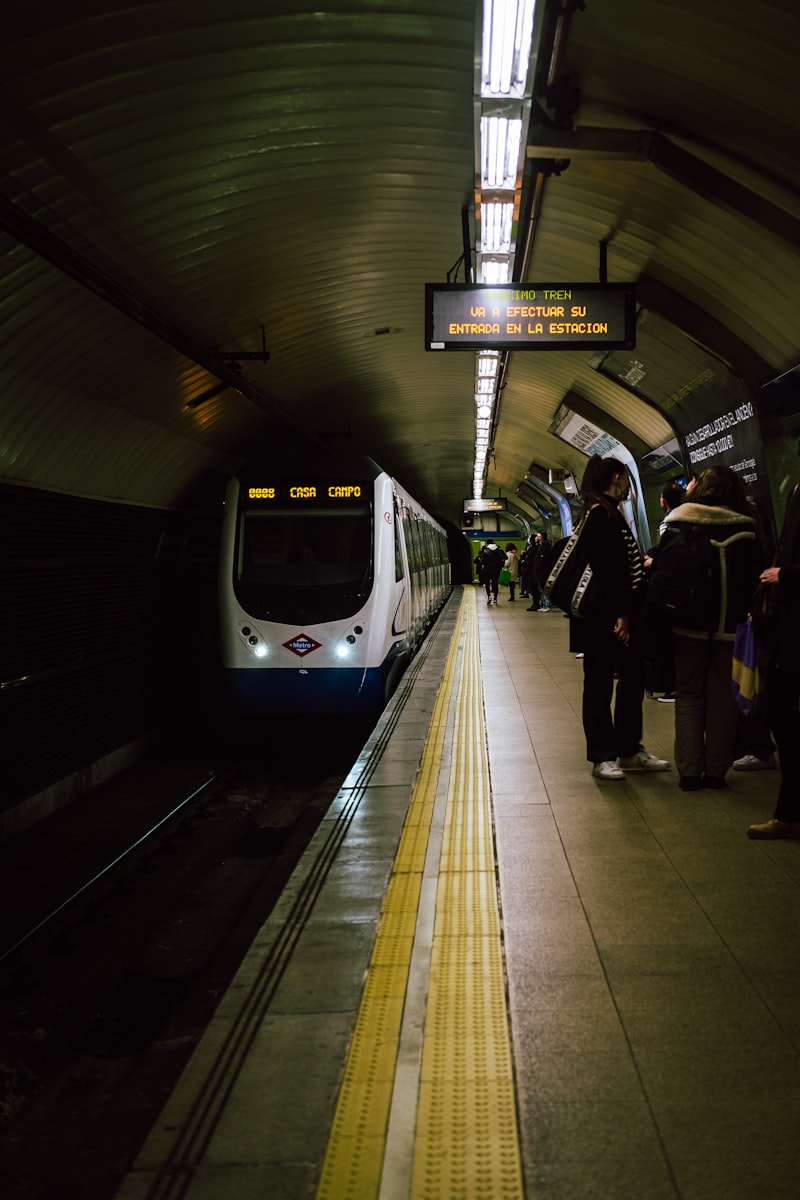
Public transport remains a genuine advantage. Extraordinary discounts remain in force through 2026 (confirm on CRTM before budgeting):
- **Abono mensual Zona A** (ages 26–64, after current discount): commonly **€32.70**
- **Abono Joven** (under 26, all zones): **€10**
- **10-trip** Metro/EMT/ML1 style ticket: commonly **€7.30**
- Outer zones (B1/B2/etc.) cost more — check if your commute leaves Zone A
Official fare pages:
- crtm.es/billetes-y-tarifas
- metromadrid.es
- Personal card management: webttp.comunidad.madrid
Most central newcomers do not need a car. Parking, insurance and fuel erase “cheap Spain” fast.
Healthcare in the monthly budget
- If you have public cover via work/registration: usually no private premium, but some people still buy top-ups
- Private insurance for visa/residence or preference: often roughly €50–€150+ / month depending on age, cover and co-pays
- Occasional private specialist visits without insurance can be expensive — budget intentionally
Guide: Private healthcare in Madrid for expats
Three sample monthly budgets (single person)
These are planning models, not promises. Adjust rent to your real listing.
1) Lean shared-flat starter
- Rent (room): €650
- Utilities share + internet: €70
- Groceries: €200
- Eating out / coffee: €120
- Transport Abono A: €33
- Mobile: €12
- Healthcare / misc buffer: €80
- Leisure: €60
- **Total ≈ €1,225**
2) Comfortable solo one-bed
- Rent: €1,200
- Utilities + internet: €150
- Groceries: €260
- Eating out: €220
- Transport: €33
- Mobile: €15
- Private health insurance: €90
- Leisure / gym / culture: €120
- **Total ≈ €2,088**
3) Higher-comfort central lifestyle
- Rent: €1,600
- Utilities + internet: €180
- Groceries: €320
- Eating out: €400
- Transport: €33
- Mobile: €20
- Healthcare: €150
- Leisure / travel buffer: €250
- **Total ≈ €2,953**

One-time / first-month costs people forget
- Rental *fianza* + possible extra guarantee + first month
- Furniture / kitchen basics if the flat is empty
- Transport card issuance fees where applicable
- NIE/TIE related fees and photo prints
- Deposits for utilities / router equipment
- Agency fees: on *vivienda habitual* deals, landlord generally bears agent management costs under current Housing Law rules — still read every invoice
First-month sequencing: Your first month in Madrid checklist
How to build your own Madrid number in 20 minutes
- Pick your housing type: room vs one-bed
- Shortlist two districts and check 10 live listings each
- Add utilities + internet + mobile
- Add Abono for your real zone
- Add groceries for how you actually eat
- Add healthcare reality (public / private / visa policy)
- Add a 10% buffer for the first three months
If the total only works with perfect frugality every week, it is too tight.

What feels expensive vs good value
Often feels expensive:
- Central rent and tiny renovated flats
- Summer electricity with AC
- Touristy restaurants near Sol / major monuments
Often good value:
- Public transport (especially Abono Joven)
- Menú del día and neighborhood bars
- Fibre internet speeds vs northern Europe prices
- Parks, plazas and free outdoor life
Useful links
- Transport fares: crtm.es/billetes-y-tarifas
- Housing: comunidad.madrid/servicios/vivienda
- Health: comunidad.madrid/salud
- Renting process: How to rent an apartment in Madrid
- Neighborhoods: Best first neighborhoods for newcomers
Build your budget from live rent + your zone’s Abono + your real eating habits. Madrid rewards people who choose housing deliberately and keep transport public.
